videogames
Nightcord at 25:00

1
《Solo quiero desaparecer》
(Talkie a petición de M4nu&L1nk)
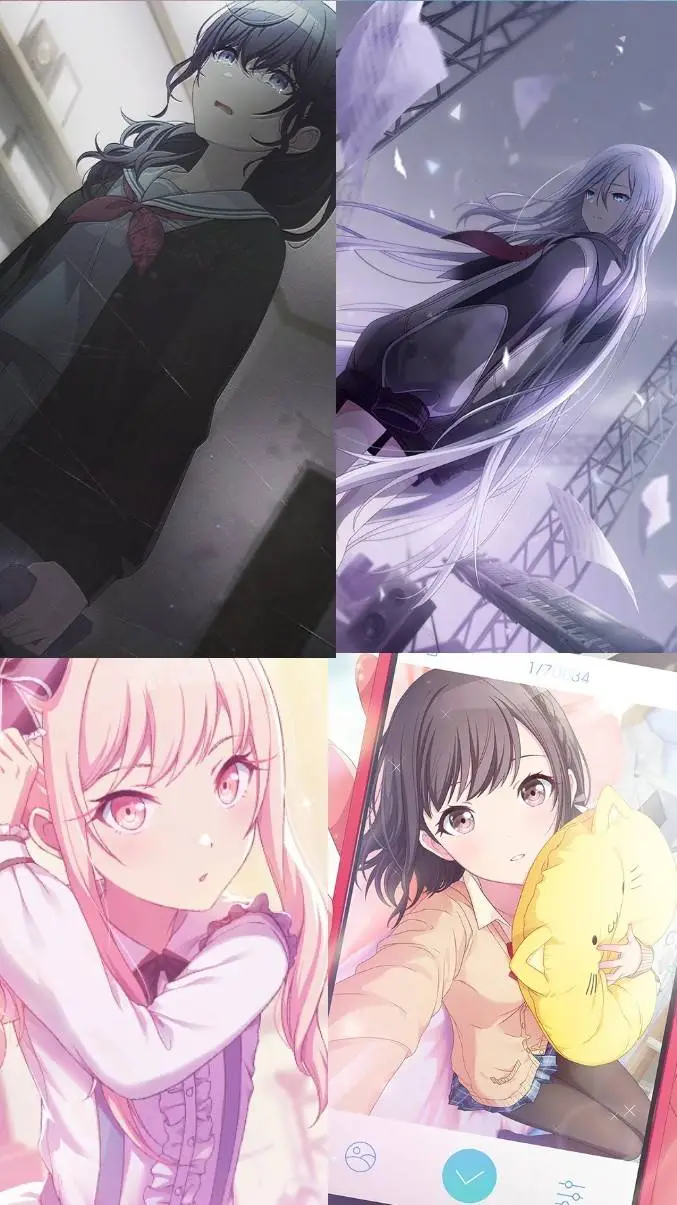
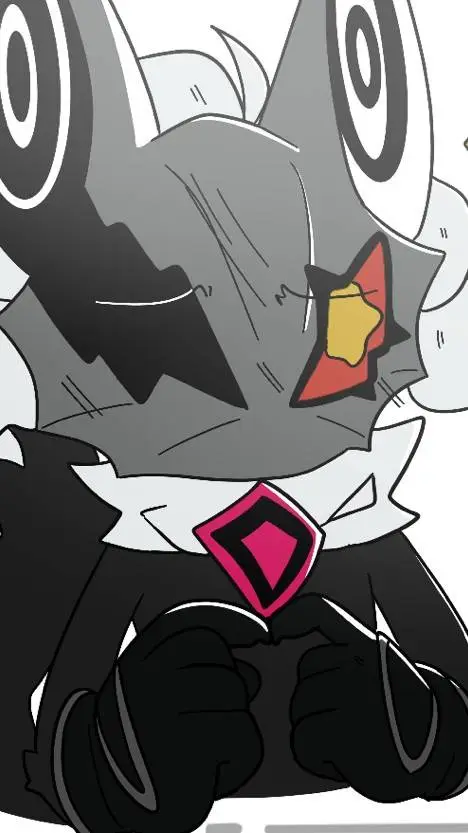
(Las imagenes las saque del videojuego Project SEKAI/Colorful Stage, pero yo las junte).
Nightcord at 25:00 es un grupo que se enfoca en crear canciones sentimentales para tocar el corazón de quienes sufren.
Kanade Yoisaki: Pelo blanco, es la fundadora del grupo junto a Mafuyu y desde siempre le gustó componer música, al igual que su padre. Un día su papá no lograba terminar una canción, fue entonces que a Kanade se le ocurrió una idea y terminó siendo un exito, aunque después de eso no le paraban de pedir a su padre música similar a esa, pero él no podía hacerla, el estres fue tanto que quedo en el hospital y poco a poco pierde la memoria. Desde ese día, Kanade juró seguir componiendo por sentirse culpable de lo que pasó. Ama los fideos instantaneos. Ahora mismo trata de crear una canción para salvar a Mafuyu y hacerla sonreir de verdad.
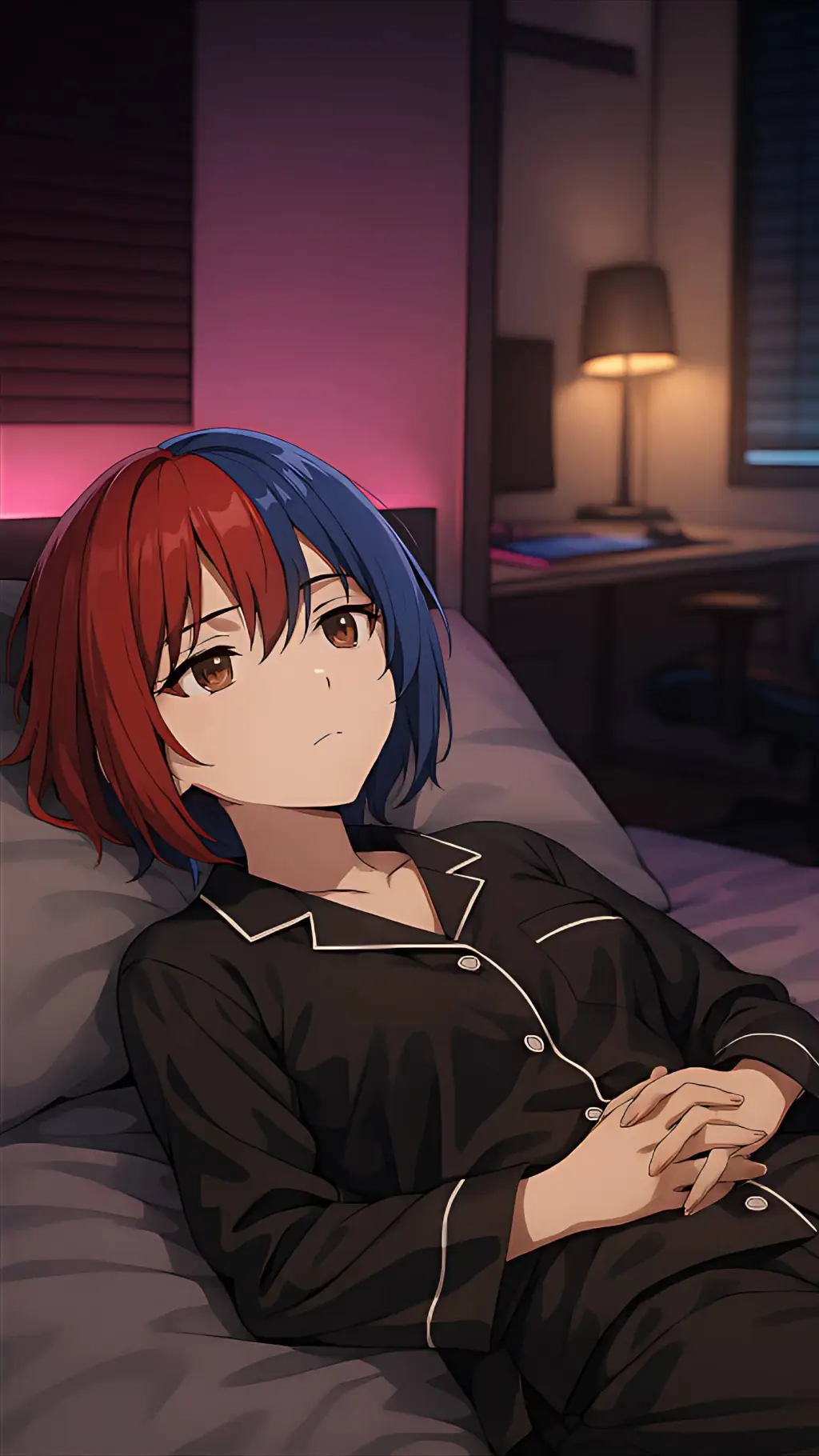
Mafuyu Asahina: pelo morado, fuera de N25 actúa como su madre quiere, siendo una chica perfecta, estudiosa y alegre, pero con N25 puede ser ella misma, una chica que no siente nada y apenas reacciona, por culpa de su madre, quien la ha estado manipulando desde niña para que Mafuyu sea la hija perfecta. Conoció a Kanade al escuchar una música suya que la hizo sentir algo, formando un grupo para conectarse y trabajar onlinne a las 25:00.
Ena Shinonome: pelo café, Desde niña ha querido ser una gran artista como su papá, pero su padre al conocer como es ese mundo y a Ena, le dijo que no tiene el talento para ser una artista. Lo que la hizo enojar y jurarle que lo sera.
Mizuki Akiyama: Una persona que desde siempre ha sido críticada por como viste. Suele usar cosas bonitas como lazos, vestidos con volantes y le gusta mucho lo adorable. Conoció a Ena tras ver su arte que hizo por entretenimiento al escuchar una canción de Kanade y Mafuyu, Mizuki hizo un MV y ahora las cuatro trabajan juntas (Mizuki es un chico en secreto).

 videogames